
Reefer Truck vs Dry Van: Which One Fits Your Cargo and Delivery Model?
Comparing a reefer truck vs dry van? See the practical differences in insulation, temperature control, cargo type, operating cost, and when a refrigerated truck is the better commercial choice.
The decision between a reefer truck vs dry van looks simple until cargo sensitivity, route pattern, and delivery quality start affecting the result. On paper, both vehicles can move boxed goods from one place to another. In practice, the difference becomes significant as soon as the load needs protection from temperature swings, heat exposure, or product spoilage.
For buyers comparing a refrigerated box truck for sale with a dry van alternative, the key question is not only cost. It is whether the cargo requires stable conditions and whether delivery interruptions would create financial risk. At MagiTruck, this is often the point where a dry van stops being “cheaper” and starts being “not suitable.”
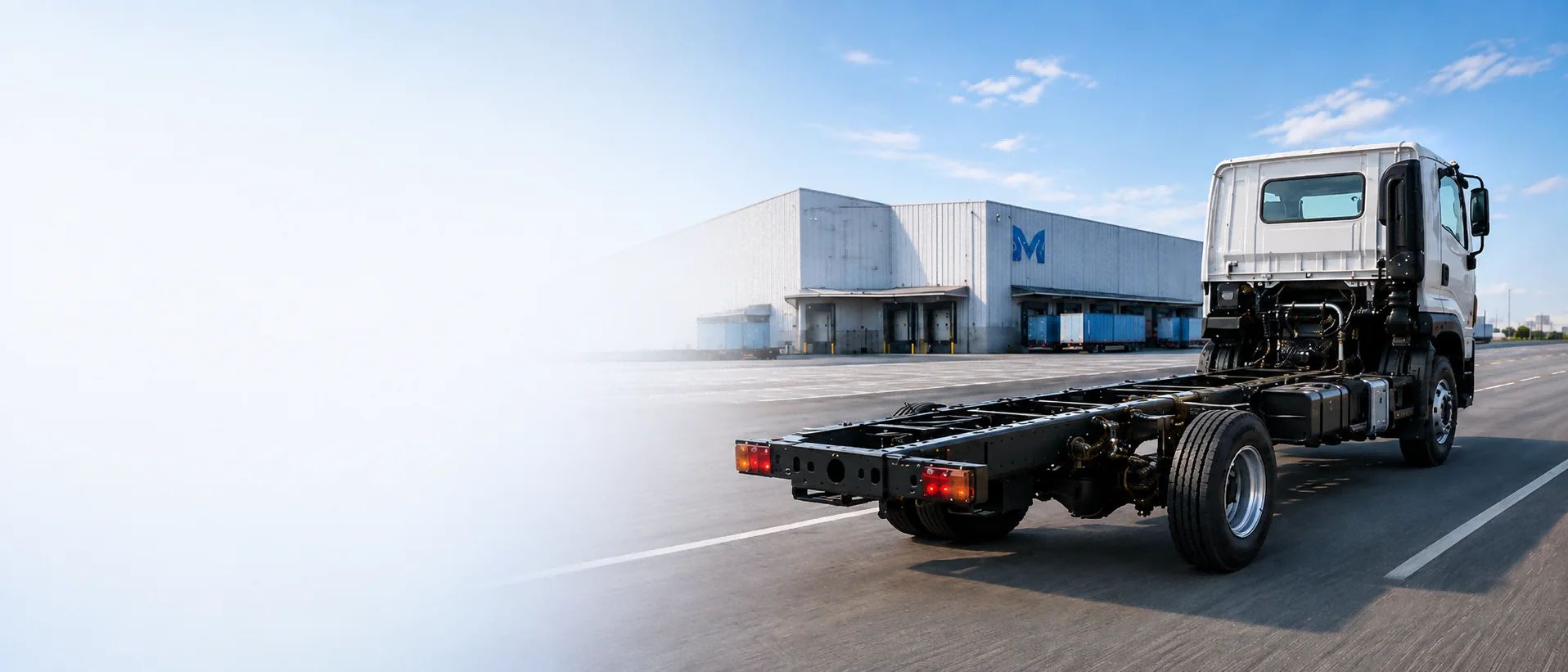
What makes a reefer truck different from a dry van
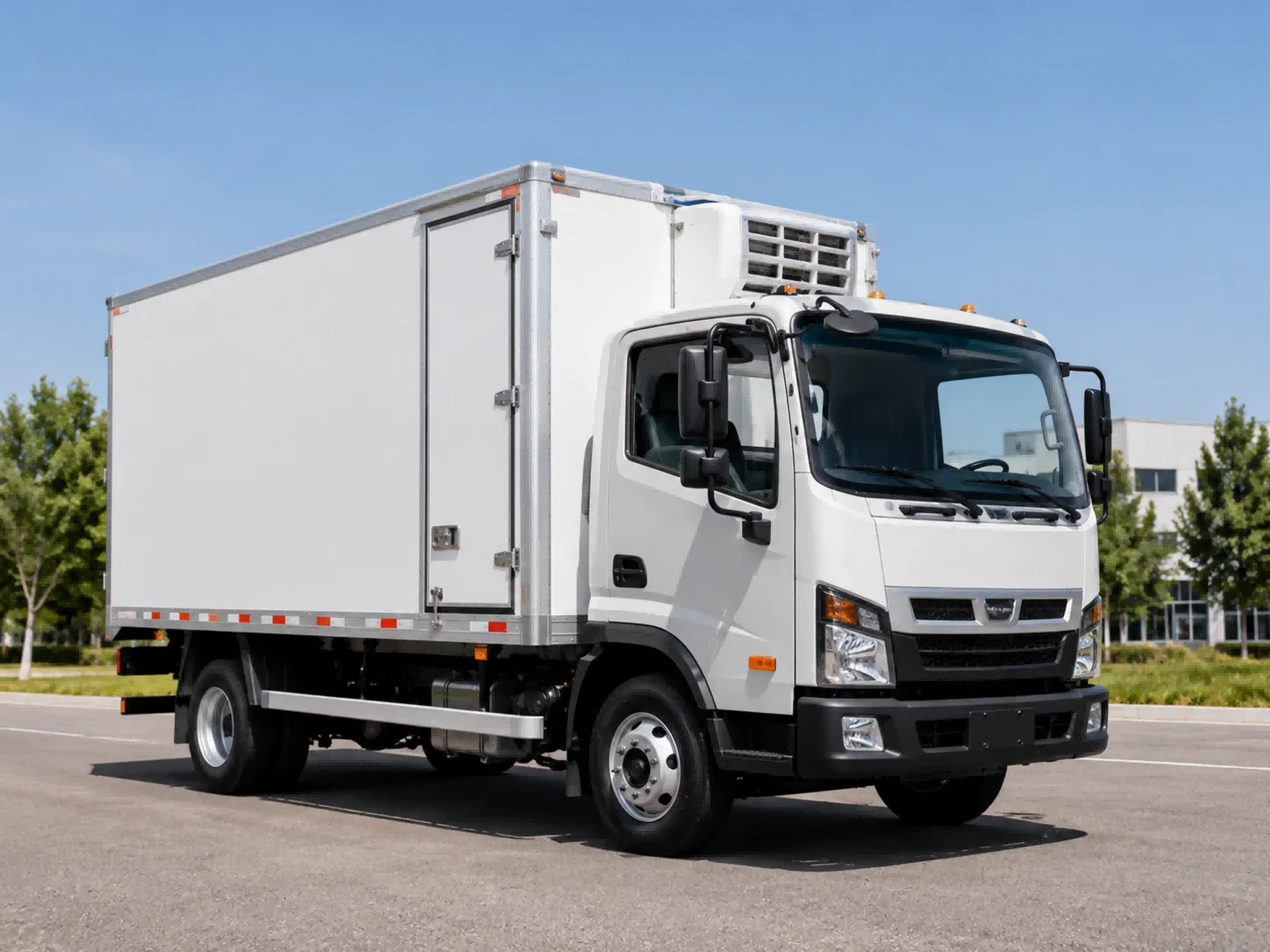
A dry van is a standard enclosed cargo vehicle designed to keep freight protected from weather and theft. A reefer truck adds insulation and a truck refrigeration unit so the cargo area can maintain a target temperature. That means a reefer vehicle is not just enclosed. It is actively managed as part of the cold chain.
This difference matters for food distribution, seafood, meat, dairy, pharmaceuticals, and floral transport. If the cargo has to stay chilled or frozen, a refrigerated truck body and reliable truck refrigeration system are part of the core requirement rather than an upgrade.
When a dry van is still enough
A dry van still makes sense for many businesses. If the freight is shelf-stable, non-perishable, and not sensitive to moderate ambient temperature changes, a standard cargo body may be more practical. This is common for packaged goods, hardware, consumer products, and materials that only need basic enclosure.
But once the route involves frozen foods, fresh produce, prepared meals, medicines, or premium ingredients, the margin for error becomes much smaller. In those cases, a reefer layout is usually the safer commercial decision.
Where refrigerated trucks create more value
A reefer truck costs more upfront because it includes insulation, specialized body construction, and a cooling system. But for operations that depend on cold chain quality, that extra cost often protects product value, customer satisfaction, and delivery consistency. This is why buyers looking for a reefer box truck for sale or refrigerated box trucks for sale are usually evaluating total delivery performance rather than just acquisition price.
- Lower spoilage risk for chilled and frozen cargo
- Better control over delivery quality in hot climates
- More suitable for regulated or temperature-sensitive loads
- Improved fit for urban and regional cold chain distribution
For businesses evaluating a refrigerated truck for sale or buy refrigerated truck queries, that commercial value is often what makes the investment worthwhile.
How route pattern changes the decision
A city route with frequent unloading is very different from a long regional route. Frequent door openings increase heat load and make a truck refrigeration system work harder. If your route has many drops, tight timing, and sensitive product, a reefer layout usually gives far better control than a dry van with passive protection.
This is also why some buyers search for small reefer truck, small refrigerated truck for sale, or non cdl reefer box trucks for sale. In dense urban delivery, a smaller refrigerated format can balance maneuverability with the temperature protection a dry van cannot provide.
What to compare when you are choosing
If you are working through the reefer truck vs dry van decision, compare the vehicle against the actual commercial task:
- Cargo type and product sensitivity
- Required temperature range
- Route length and stop frequency
- Climate conditions
- Expected spoilage risk and service commitments
If your answer points toward controlled transport, a purpose-built reefer vehicle is usually the better path. You can explore our refrigerated truck page or review a product example like the Isuzu box body reefer to see how a commercial truck can be configured for cold chain work.
And if you are still early in the buying process, our guide to choosing a refrigerated box truck for sale is a practical follow-up read. For a tailored recommendation, you can always contact MagiTruck.