
How Buyers Compare Refrigerated Box Truck Manufacturers
A B2B comparison guide for teams evaluating refrigerated box truck manufacturers, box body structure, insulation, last-mile route fit, and practical sourcing criteria.
Buyers comparing refrigerated box truck manufacturers are usually dealing with a practical delivery question: how to move chilled or frozen goods efficiently through urban or regional routes without overbuying capacity. The vehicle may be smaller than a trailer setup, but the sourcing decision is no less important. Box structure, cooling recovery, loading pattern, and service access all affect daily performance.
That is why refrigerated box truck manufacturers should be evaluated on more than the truck image or the quoted length and payload. A good box truck solution is usually the result of body construction, refrigeration selection, and route use being planned together from the start.
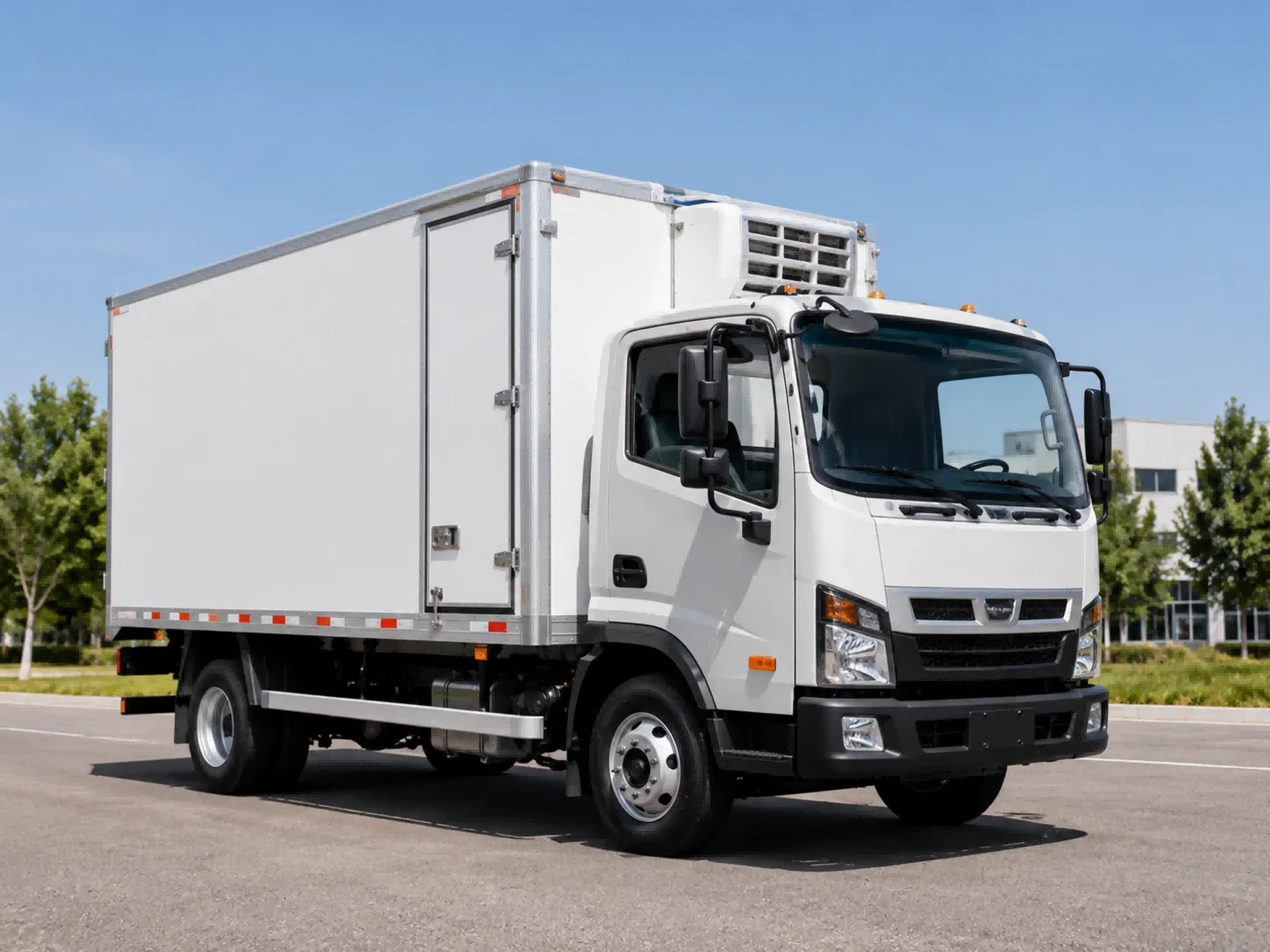
What makes refrigerated box truck sourcing different
A box truck is often selected for city distribution, retail replenishment, meal delivery, and controlled last-mile transport. That means frequent stopping, repeated door openings, and tighter space constraints. Buyers reviewing refrigerated box truck manufacturers therefore care a lot about insulation quality, airflow pattern, and the way the body performs under real delivery cycles.
This is also why a generic vehicle listing is not enough. The truck may technically fit the size requirement, but the more useful question is whether it can protect temperature during a busy route and still remain easy to load, clean, and maintain.
The body structure is often the deciding factor
A well-built box truck depends heavily on the refrigerated truck body. Panel construction, floor strength, door sealing, and insulation thickness directly affect energy efficiency and temperature retention. Buyers often discover that two trucks with similar external dimensions perform differently because one body is built with more consistent cold chain use in mind.
Our Body & Cooling Technology page covers this in more detail. It is especially useful if your team is reviewing suppliers based on body design rather than looking only at chassis branding.
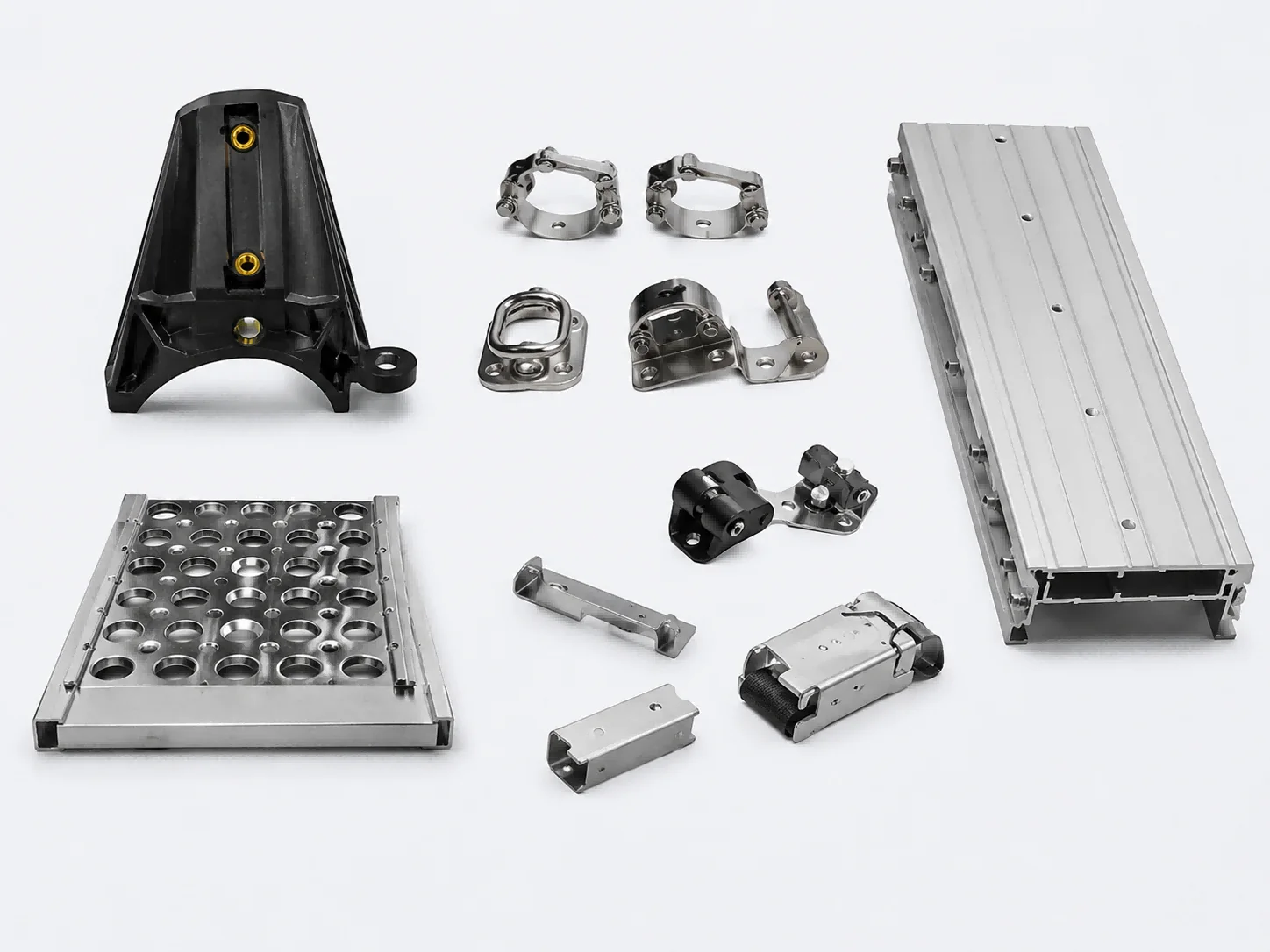
How MagiTruck approaches box truck projects
MagiTruck supports buyers who need commercial refrigerated body solutions for distribution and route-based operations. Instead of treating the box as an afterthought, we look at cargo type, route stop frequency, and body layout before recommending the most suitable setup. This is especially important when the truck will run daily in stop-start conditions.
If you want to review a practical example, our Isuzu Box Body Reefer and 700P 11 Reefer Body pages show how a compact commercial body can be aligned with cooling performance and use case.
Questions to ask refrigerated box truck manufacturers
- How is the insulated box panel structure built?
- What cargo temperature range is the recommended unit designed to support?
- How does the body perform on stop-start urban delivery routes?
- Can the internal layout be adjusted for shelves, partitions, or hanging rails?
- What is the response process if parts or service questions appear after delivery?
If your team is evaluating refrigerated box truck manufacturers for a new project, the best next step is to send route details and product requirements instead of asking only for a general brochure. You can review our Refrigerated Trucks page or contact MagiTruck for a more targeted recommendation.