
How Do Refrigerated Trucks Work? A Clear Guide for Cold Chain Buyers
Learn how refrigerated trucks work, what a truck refrigeration system does, how temperature control is maintained, and what buyers should check before choosing a reefer truck.
A lot of buyers search how do refrigerated trucks work after they begin comparing models, but the answer matters much earlier in the buying process. If you understand how a reefer truck controls temperature in real delivery conditions, it becomes easier to compare a refrigerated box truck for sale, choose the right truck refrigeration unit, and avoid paying for the wrong body configuration.
At MagiTruck, we usually explain a refrigerated truck as a complete cold chain vehicle rather than just a truck with a cooler on top. The insulation, the truck refrigeration system, the air circulation pattern, and the way cargo is loaded all work together. If one part is mismatched, temperature performance suffers even when the specification sheet looks fine.
The basic principle behind refrigerated trucks
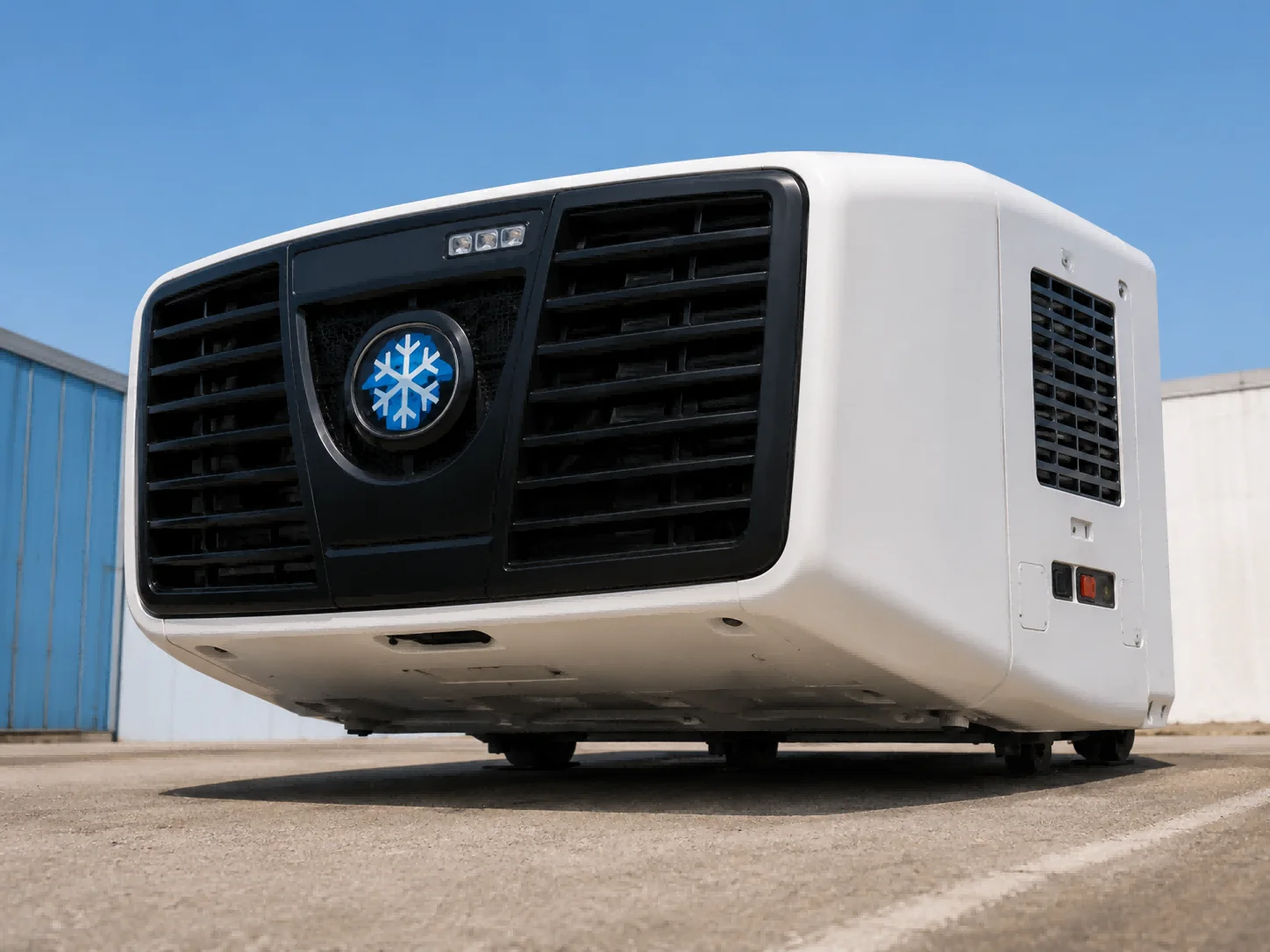
In simple terms, refrigerated trucks work by removing heat from an insulated cargo box and keeping the load compartment within a target range. The truck refrigeration unit cools the air, and the refrigerated truck body helps prevent heat from entering too quickly. This sounds straightforward, but the real challenge is holding temperature consistently while the truck is being loaded, driven, stopped, and opened multiple times during a route.
That is why buyers comparing truck refrigeration units or a box truck refrigeration unit should think beyond the nominal cooling number. Pull-down speed, recovery after door openings, ambient climate, and body insulation quality all influence real-world performance.
What the truck refrigeration system actually includes
A complete truck refrigeration system usually includes the refrigeration unit itself, evaporator and condenser components, controls, air distribution, insulation structure, and door sealing. In practical cold chain work, the system only performs as expected when these parts are matched to the route and cargo profile.
- A refrigeration unit sized for the cargo box volume
- An insulated reefer truck body built to reduce heat gain
- Good airflow so cargo near the rear and sidewalls also stays protected
- Correct loading practice so products do not block circulation
For mixed urban delivery, smaller fleets often compare small truck refrigeration units. For larger route density or more demanding frozen transport, a heavier-duty commercial cooling setup may be the better choice. You can see an example on our commercial cooling unit page.
Why insulation matters as much as the cooling unit
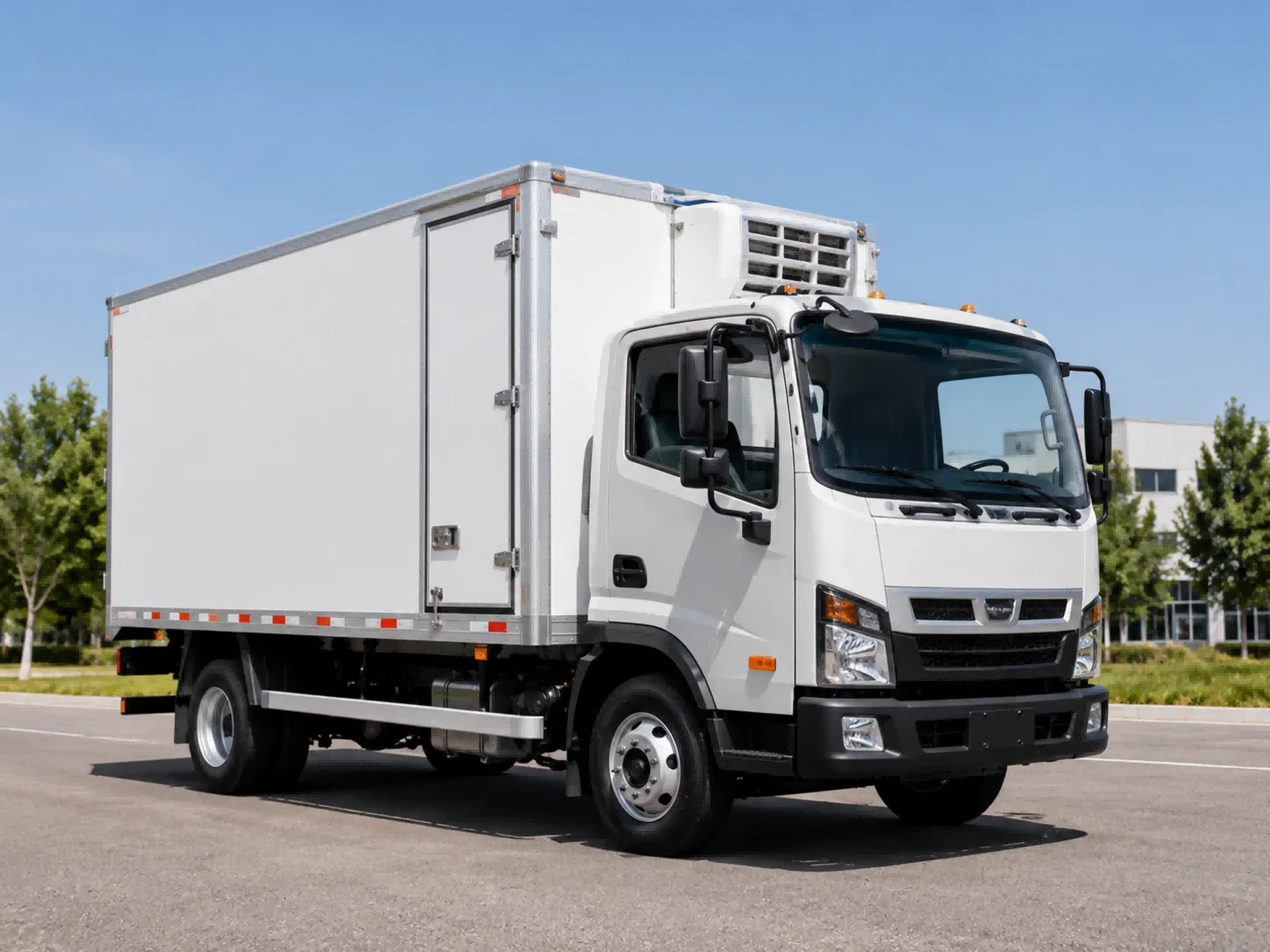
When buyers focus only on the refrigeration brand, they often miss the role of the refrigerated truck body. A strong cooling unit cannot fully compensate for weak insulation, poor floor design, or badly sealed doors. In many cases, the body structure determines whether the truck can keep a stable reefer truck temperature range during repeated stops.
This is especially important for chilled meat, seafood, dairy, pharmaceuticals, and other temperature-sensitive loads. If you want to understand this side better, our body and cooling technology page goes deeper into structure and insulation choices.
How temperature control works during delivery
In daily delivery work, the refrigeration unit cycles and adjusts based on the temperature target, heat load, and how often the cargo space is opened. That is why a published reefer truck temperature range is only one part of the story. A truck may technically reach a low setpoint, but the more important question is how well it holds that temperature after each stop.
For example, bakery and produce routes often involve frequent openings and short stops, while frozen distribution may require stronger pull-down and steadier low-temperature holding. Understanding this difference helps buyers choose the right refrigeration units for trucks instead of relying on a generic spec list.
What buyers should review before choosing a refrigerated truck
Before choosing a reefer vehicle, it helps to clarify the load type, required temperature, route duration, local climate, and the number of stops per day. Buyers looking for a reefer truck for sale, refrigerated truck for sale, or small reefer trucks for sale usually make better decisions when they start from the operating pattern rather than from appearance or price alone.
If you are comparing available models, you can also read our related buyer guide on how to compare a refrigerated box truck for sale. It covers body options, route fit, and practical cold chain buying points from a fleet perspective.
If you want a recommendation based on cargo and delivery profile, contact MagiTruck and we can help you narrow the body and cooling combination that makes sense for your operation.