
How Buyers Compare a Truck Refrigeration Unit Manufacturer
A practical guide to comparing a truck refrigeration unit manufacturer, unit sizing, route recovery, cooling consistency, and integration with refrigerated truck bodies.
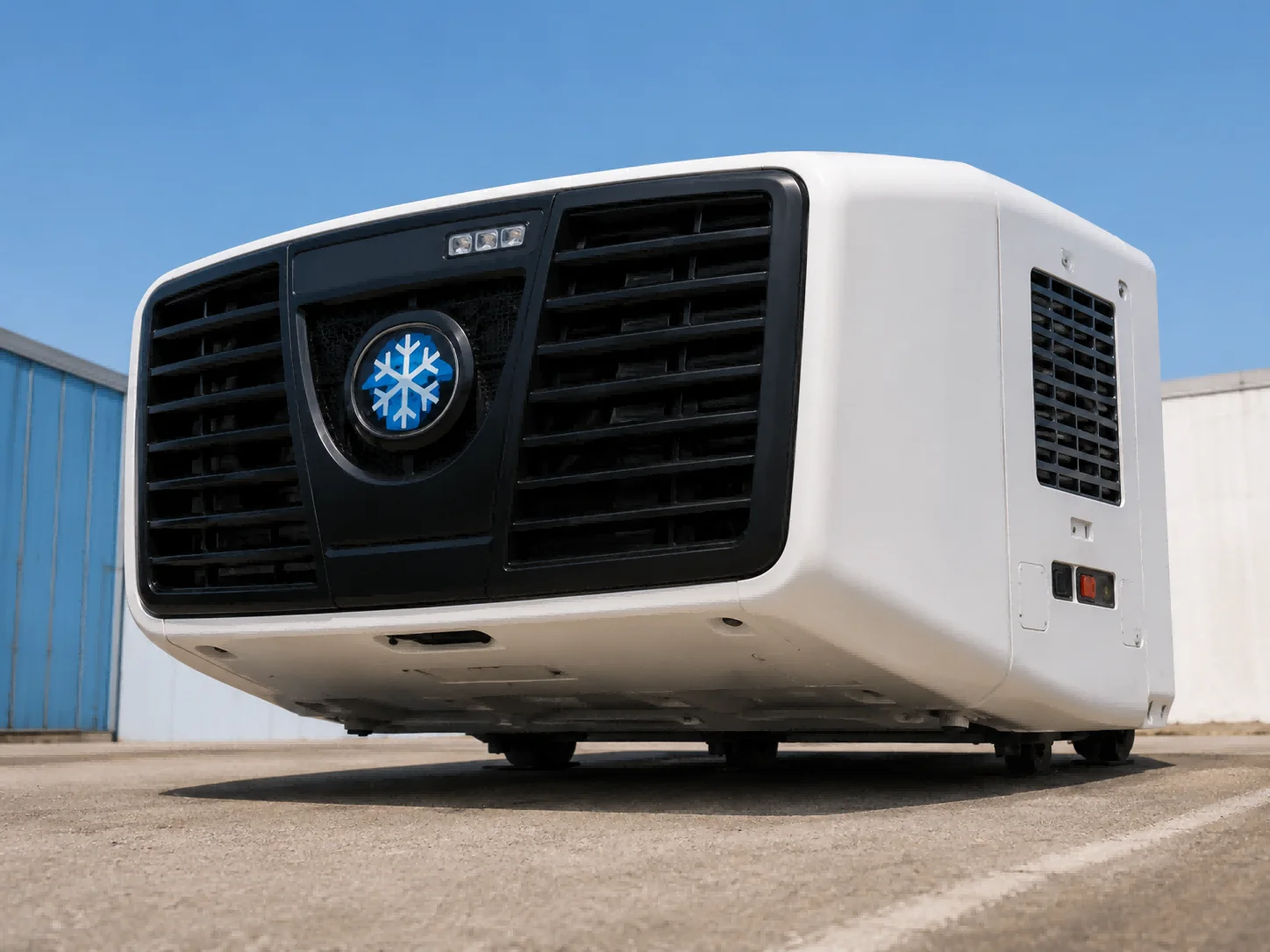
A buyer looking for a truck refrigeration unit manufacturer is usually not looking for a generic component. They are looking for reliable cooling performance under specific route conditions, temperature targets, and body sizes. That changes the discussion completely. Instead of simply asking which model is available, the buyer needs to understand how the unit will behave once the truck enters real cold chain work.
This is why terms like truck refrigeration unit manufacturer, truck refrigeration unit, and transport refrigeration unit should be evaluated in the context of the actual vehicle. A unit that is technically strong but mismatched to body volume, stop frequency, or load type can still underperform in practice.
What buyers are really comparing
In B2B sourcing, cooling decisions are usually shaped by route conditions. Is the truck used for frozen transport, chilled distribution, or mixed loads? Are the doors opened constantly? Will the unit run in hot climates or on short urban trips? Those factors matter as much as the headline specification when comparing a truck refrigeration unit manufacturer.
- Temperature pull-down speed
- Recovery after frequent door openings
- Compatibility with box volume and insulation level
- Maintenance access and parts support
- Fit for chilled, frozen, or multi-drop use
That is why a strong transport refrigeration unit manufacturer should be ready to talk about application, not just model number.
Why the unit should never be chosen alone
A refrigeration unit works inside a larger system. Body insulation, internal layout, route pattern, and even the loading process all affect how well a unit performs. This is why buyers reviewing truck refrigeration units often get better outcomes when they assess the body and cooling design together rather than sourcing the components separately.
If you want to understand that interaction more clearly, our Body & Cooling Technology page is the best internal reference. It shows how body design and cooling performance influence each other in actual refrigerated truck use.
How MagiTruck helps with unit selection
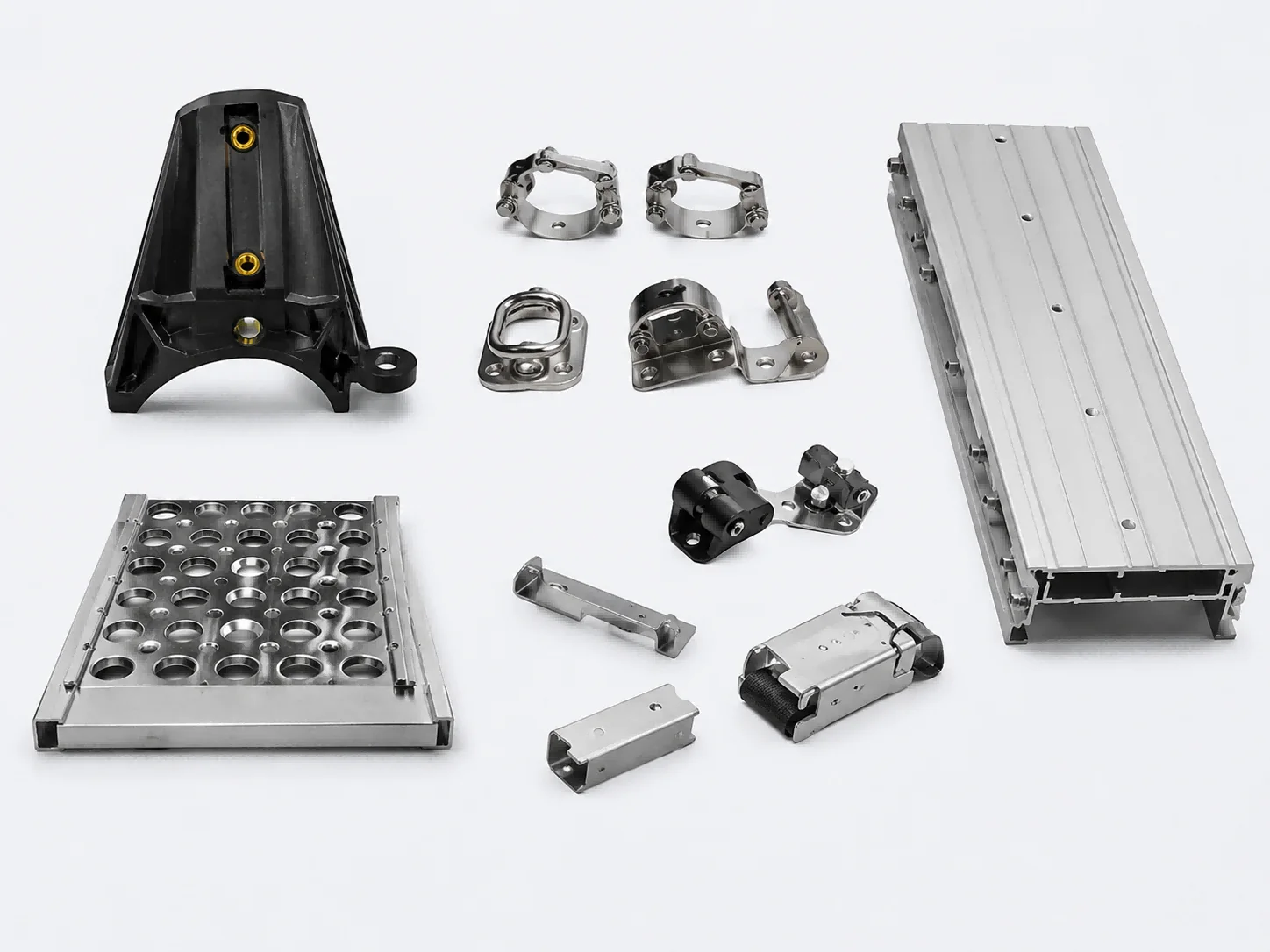
MagiTruck helps buyers compare a truck refrigeration unit manufacturer from the vehicle side of the decision. That means looking at body volume, use case, cargo type, and route style before proposing the most suitable setup. For some projects, a standard commercial unit is enough. For others, the cooling requirement is better handled through a more tailored truck-and-body package.
You can review examples such as our Commercial Cooling Unit, Modular Cooling Unit, and JAC Thermo King vehicle pages to see how unit choices are applied in different commercial contexts.
What to include in your inquiry
If you are asking for a recommendation from a truck refrigeration unit manufacturer, send the box dimensions, target temperature, route pattern, ambient climate, and cargo type. That gives the supplier enough context to recommend a more realistic system instead of relying on generic assumptions.
For B2B buyers planning a full cold chain vehicle project, Refrigerated Trucks is a good starting point. And if you want a more tailored recommendation around body and cooling together, contact MagiTruck directly and share the route and temperature details.