
Truck Refrigeration Unit Guide: What Buyers Should Compare Before Ordering
Choosing a truck refrigeration unit? Compare cooling capacity, route pattern, body match, small truck refrigeration units, and service considerations before ordering a reefer system.
Choosing the right truck refrigeration unit is one of the most important parts of any reefer vehicle project. A unit that looks strong on paper may still be the wrong fit if the truck body, route pattern, door-opening frequency, or cargo temperature target have not been considered properly. That is why serious buyers compare more than just brand and price.
At MagiTruck, we usually approach the decision from the vehicle application first. Are you running frozen distribution, chilled delivery, mixed cold chain cargo, or a smaller urban route? The answer changes what kind of truck refrigeration system makes sense. It also affects whether you should be looking at small truck refrigeration units, a heavier-duty commercial setup, or a body-and-unit package built together.
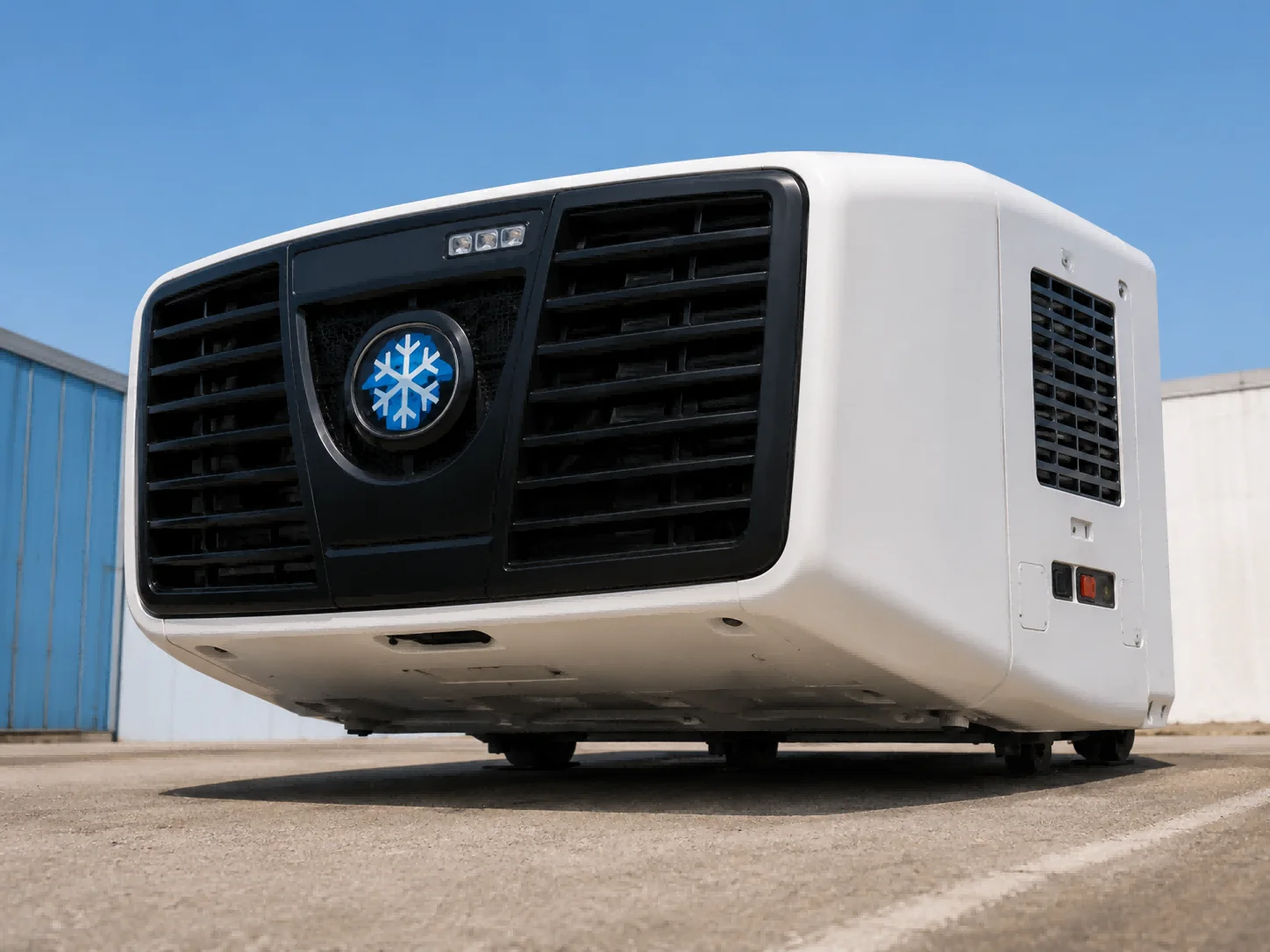
What a truck refrigeration unit really has to do
A refrigeration unit does more than cool the air once. In daily cold chain work, it has to pull the box down toward the target temperature, recover after each door opening, and continue holding the load through changing ambient conditions. That is why buyers comparing truck refrigeration units or refrigeration units for trucks should think in terms of route behavior rather than static numbers.
If the truck is stopping frequently in hot weather, the unit needs stronger recovery performance. If the route is longer and more stable, efficiency and temperature holding may matter more than aggressive pull-down. A box truck refrigeration unit used for frozen products also faces a different duty profile than one used for chilled produce or bakery distribution.
Why the unit and body have to be matched
A cooling unit should never be chosen separately from the body. The performance of a truck refrigeration unit depends heavily on the insulation level, internal volume, floor structure, and door sealing of the refrigerated truck body. Even a strong unit can struggle if the body leaks heat or if the cargo layout blocks airflow.
That is why many buyers searching for a refrigerated box truck for sale or a refrigerated truck body for sale eventually realize they need to evaluate the project as one system. If body structure is part of your decision, our body and cooling technology page is a useful reference.
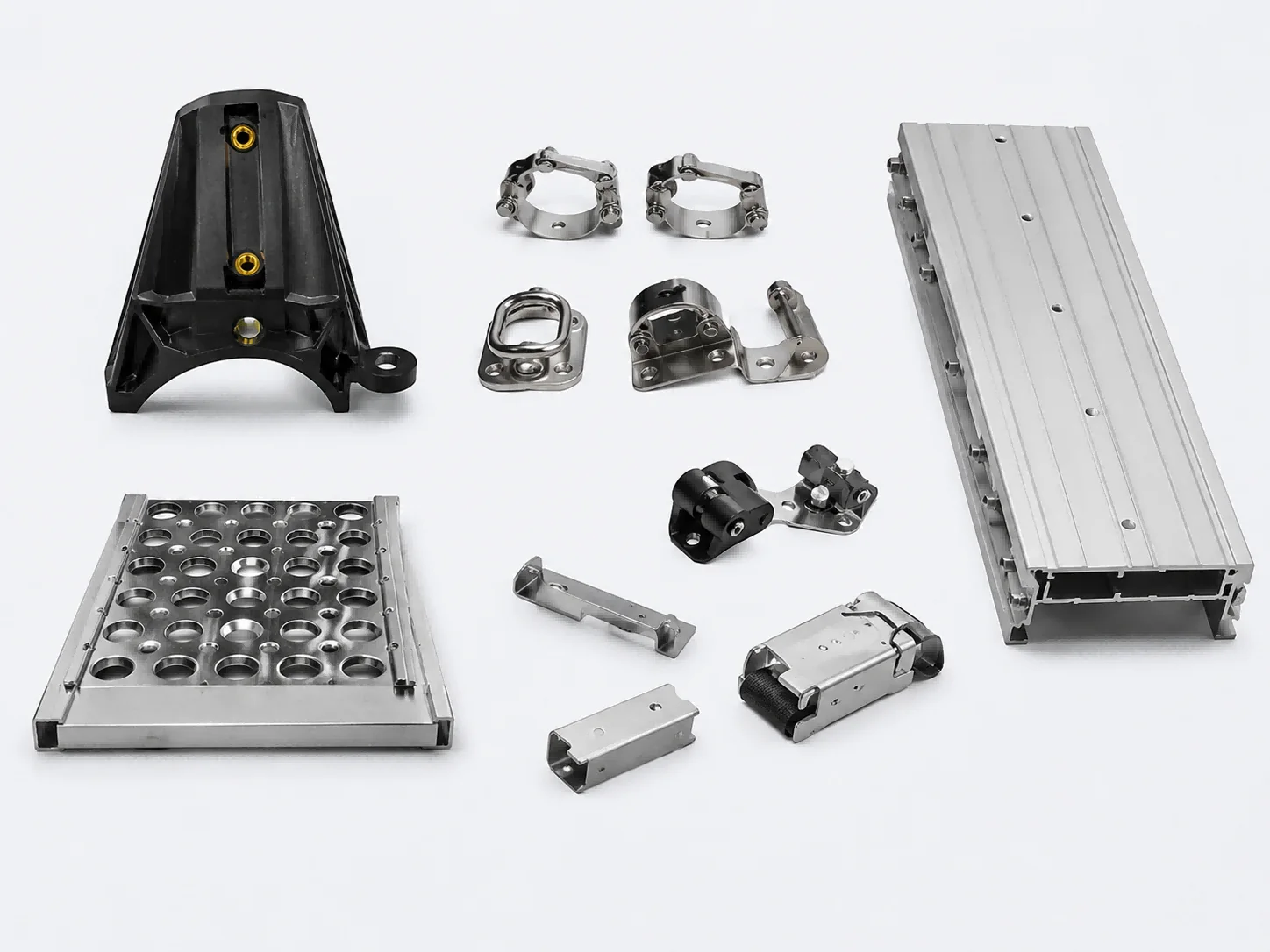
When small truck refrigeration units make sense
Small truck refrigeration units are often a good fit for compact city-delivery vehicles, lighter daily loads, and shorter routes. Buyers looking at small reefer trucks for sale or small refrigerated truck for sale often benefit from simpler, lighter, and easier-to-service cooling setups that match the scale of the truck.
But smaller does not automatically mean better. If the delivery pattern includes heavy ambient heat, frozen products, or repeated stops, undersizing the unit can lead to inconsistent holding performance and higher operating stress. That is why load profile matters more than the label alone.
Questions buyers should ask before ordering
- What temperature range does the cargo really require?
- How large is the cargo box and what insulation level is being used?
- How often will the doors be opened during the route?
- Is the truck used for chilled transport, frozen transport, or mixed loads?
- Do you need a standard setup or a more customized commercial solution?
These questions help narrow the field much faster than browsing model names in isolation. They also help explain why two similar trucks can perform very differently once they enter daily service.
A practical way to compare available options
If you are comparing products today, it helps to review both complete vehicle pages and standalone cooling solutions. Our JAC Thermo King reefer truck is one example of a matched vehicle-and-unit combination. For buyers focused more directly on the cooling side, our modular cooling unit and commercial cooling unit pages show different approaches to configuration.
And if you are comparing available trucks more broadly, our article on choosing a refrigerated box truck for sale is a good companion read, since the unit decision makes the most sense when matched to body and route requirements.
If you want help narrowing the best truck refrigeration unit for your route and load, contact MagiTruck with your target temperature, vehicle size, and daily delivery pattern. We can help you compare the options in a more practical way.